

Glucose in athlete nutrition: energy supply and indirect involvement in the synthesis of several neurotransmitters
Authors
Katsiaryna Zakamornaya
Share
Annotation
This article reviews the role of glucose in athlete nutrition, both as a source of energy for physical activity and as an indirect contributor to the synthesis of certain neurotransmitters. It outlines the main mechanisms of glucose transport and metabolism and describes how skeletal muscle uses glucose during exercise of different intensities. The article then considers how products of carbohydrate metabolism contribute to the formation of glutamate, gamma-aminobutyric acid, and acetylcholine, and how carbohydrate intake may indirectly affect serotonin metabolism. Particular attention is given to practical recommendations on carbohydrate intake during training and competition, glycogen replenishment, and individualized nutrition. Based on an analysis of published studies, the article shows that glucose is important not only for energy metabolism but also for maintaining the biochemical processes that underlie nervous system function.
Keywords
Authors
Katsiaryna Zakamornaya
Share
Glucose is a major source of energy for athletes and helps maintain normal function of the central nervous system. Under intense training loads, adequate carbohydrate intake becomes especially important, because carbohydrates are needed for energy production, maintenance of glycogen stores, and recovery after training. Insufficient carbohydrate availability may contribute to fatigue and reduced physical performance.
Yet the importance of glucose is not limited to energy metabolism. Its metabolites take part in biochemical processes involved in the synthesis of certain neurotransmitters, including glutamate, gamma-aminobutyric acid, and acetylcholine. These compounds mediate nerve signal transmission and are involved in regulating neuronal excitability and motor activity. Such processes matter particularly for athletes, since physical activity requires coordinated function of the muscular and nervous systems.
Aim
This study aims to analyze the importance of glucose in athlete nutrition, to define its role in energy supply during physical activity, and to examine the biochemical mechanisms through which its metabolites indirectly contribute to the synthesis of certain neurotransmitters.
Materials and methods
The review drew on scientific publications on glucose metabolism, energy supply for muscle work, central nervous system function, and carbohydrate nutrition in athletes. Studies on amino acid transport across the blood-brain barrier and on the role of enzymes and cofactors in neurotransmitter synthesis were also considered.
The methods included analysis and synthesis of the scientific literature, comparative analysis, and data systematization.
Results
Digestion of dietary carbohydrates yields monosaccharides, including glucose. Glucose is absorbed in the small intestine mainly via sodium-glucose cotransporter 1 (SGLT1). In skeletal muscle, glucose transporter type 4 (GLUT4) is important for glucose entry into cells. In response to insulin and muscle contraction, GLUT4 translocates to the cell membrane, increasing glucose uptake by muscle fibers. Exercise thus promotes glucose uptake into muscle, in part independently of insulin (Evans et al., 2019).
Intracellular glucose metabolism begins with glycolysis, a sequence of enzymatic reactions that take place in the cytoplasm. The breakdown of one glucose molecule yields two molecules of pyruvate, with a net gain of two molecules of adenosine triphosphate (ATP). When oxygen supply is adequate, pyruvate enters the mitochondria, where it is converted to acetyl coenzyme A (acetyl-CoA) and enters the tricarboxylic acid cycle. Most of the ATP is then generated by oxidative phosphorylation. When glycolysis proceeds at a high rate, part of the pyruvate is converted to lactate, which regenerates NAD⁺ and allows glucose breakdown to continue.
Figure 1 shows the main pathways of glucose metabolism in the cell.
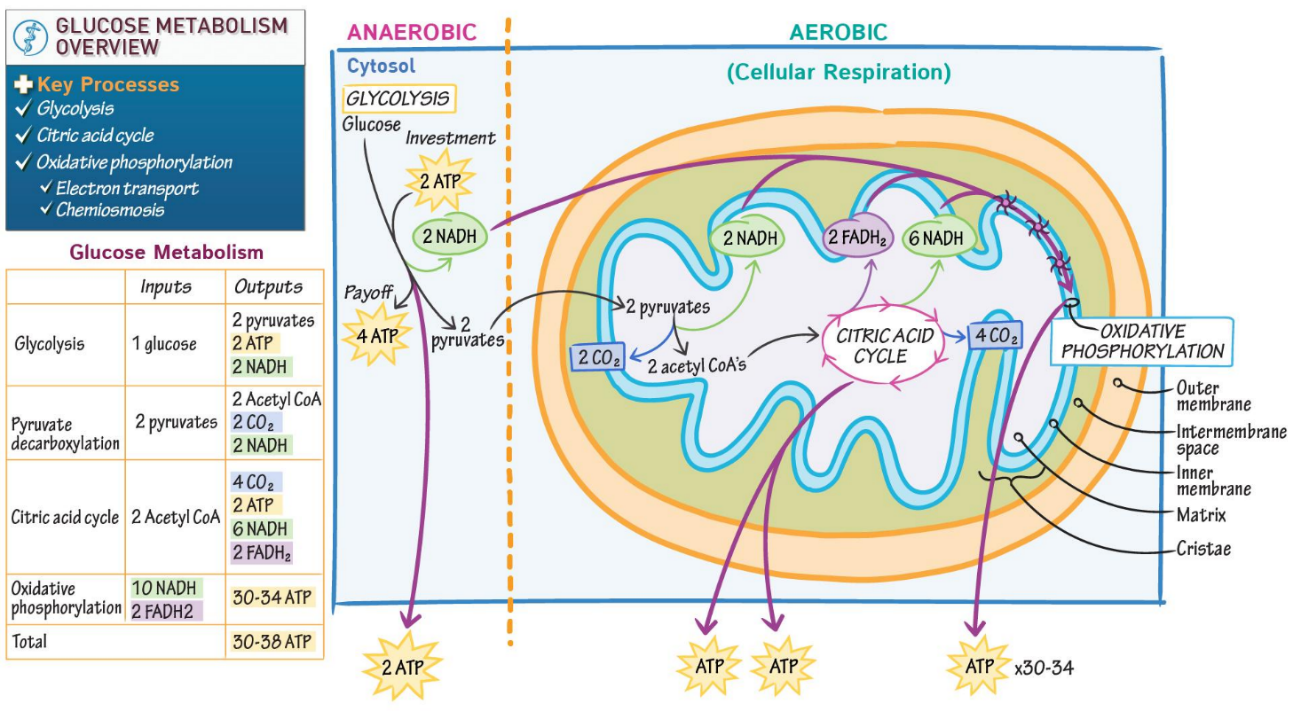
Fig. 1. Main pathways of glucose metabolism in the cell: glycolysis, lactate formation, and aerobic oxidation of pyruvate (Glycolysis Inputs and Outputs Chart, n.d.)
During exercise, the relative contributions of carbohydrate and fat to energy supply change with exercise intensity. At relatively low intensities, a substantial share of energy comes from fatty acid oxidation, whereas the contribution of carbohydrate metabolism increases as power output rises. Working muscles meet their energy demands both from blood glucose and from the breakdown of their own glycogen stores. Muscle glycogen is used directly within the muscle fibers, whereas liver glycogen helps maintain blood glucose concentration (Burke et al., 2011).
Studies of carbohydrate metabolism during endurance exercise show that the oxidation rate of exogenous carbohydrate depends on the amount ingested and on intestinal absorption. When glucose alone is ingested, its oxidation rate is usually limited to about 60 g/h. Co-ingestion of glucose and fructose can increase this rate because the two sugars are absorbed by different mechanisms. These patterns are relevant to fueling prolonged exercise (Jeukendrup, 2014).
Table 1 summarizes how glucose is used under different conditions of muscle activity.
Table 1
Glucose use under different conditions of muscle activity
|
Condition |
Features of energy metabolism |
|
Low-intensity exercise |
Substantial contribution of fatty acid oxidation, with concurrent use of carbohydrates |
|
Increasing exercise intensity |
Faster breakdown of muscle glycogen and oxidation of blood glucose |
|
Short-term high-intensity exercise |
Greater reliance on rapid ATP production via glycolysis |
|
Prolonged exercise |
Use of muscle glycogen, blood glucose, and fatty acids; their relative contribution depends on exercise intensity and duration |
Note. Compiled from Burke et al. (2011).
After exercise, glucose taken up by muscle can be used to replenish glycogen stores. The rate of glycogen resynthesis depends on the degree of prior depletion, the amount of carbohydrate consumed, and the time elapsed since the end of exercise. When the interval between training sessions is short, timely carbohydrate replenishment becomes particularly important.
In nervous tissue, glucose metabolism supplies the intermediates required for the synthesis of several neurotransmitters. Of particular importance are the interactions between neurons and astrocytes. Astrocytes take part in metabolism, maintain the chemical composition of the extracellular environment, and help regulate nerve signal transmission (Dienel, 2019).
Glucose metabolism yields alpha-ketoglutarate, an intermediate of the tricarboxylic acid cycle that serves as the precursor for glutamate synthesis. Glutamate is the main excitatory neurotransmitter of the central nervous system and is involved in signal transmission between neurons. In astrocytes, glutamate is converted to glutamine, which is transported back to neurons and used to replenish glutamate stores. This process is known as the glutamate-glutamine cycle. In inhibitory neurons, part of the glutamate is converted to gamma-aminobutyric acid (GABA) by the enzyme glutamate decarboxylase. GABA is the main inhibitory neurotransmitter in the brain and helps reduce neuronal excitability (Schousboe et al., 2013).
Glucose also contributes indirectly to the synthesis of acetylcholine, a neurotransmitter required for signal transmission at neuromuscular junctions and involved in the regulation of attention and memory. Acetylcholine is synthesized from choline and acetyl-CoA by the enzyme choline acetyltransferase. Glucose metabolism is one source of this acetyl-CoA (Jankowska-Kulawy et al., 2022).
Carbohydrate metabolism influences serotonin synthesis through a different mechanism. Serotonin is synthesized from the essential amino acid tryptophan. After carbohydrate intake, changes in insulin concentration may alter the ratio of tryptophan to other large neutral amino acids in the blood, on which the availability of tryptophan to the brain depends. However, the size of this effect depends on meal composition, particularly protein content. Increasing glucose intake therefore cannot be regarded as a proven way to directly enhance serotonin synthesis (Wurtman et al., 2003).
However, adequate glucose availability does not by itself determine the rate of neurotransmitter synthesis. The synthesis of each neurotransmitter depends on the availability of its precursors, enzyme activity, and an adequate supply of the required cofactors. The energy supply of the cell should therefore be distinguished from the direct regulation of neurotransmitter biosynthesis (Fernstrom, 2013; Gonçalves et al., 2022; Zaragozá, 2020).
Precursor availability depends primarily on dietary composition and on how the precursors are metabolized in the body. Dopamine and norepinephrine are formed from tyrosine, which is supplied by the diet and can also be synthesized from phenylalanine. Adequate protein and amino acid intake is therefore important in its own right and cannot be replaced by eating more carbohydrate (Fernstrom, 2013; Schousboe et al., 2013).
Entry of precursors into the brain is limited by the selective permeability of the blood-brain barrier. Tryptophan and tyrosine cross it via L-type amino acid transporter 1 (LAT1), a transporter of large neutral amino acids. Because several amino acids share this transport system, they compete with one another. The blood concentration of a precursor therefore does not always directly reflect its availability to neurons (Fernstrom, 2013; Zaragozá, 2020).
Neurotransmitter synthesis also depends on specific enzymes and their cofactors. Tryptophan hydroxylase and tyrosine hydroxylase, which catalyze the first steps of serotonin and dopamine synthesis, require tetrahydrobiopterin (BH₄) and iron; aromatic L-amino acid decarboxylase and glutamate decarboxylase require pyridoxal 5′-phosphate, the active form of vitamin B₆; and dopamine β-hydroxylase, which converts dopamine to norepinephrine, requires copper ions and ascorbate (Gonçalves et al., 2022; Schousboe et al., 2013). Acetylcholine synthesis depends not only on acetyl-CoA availability but also on choline supply and choline acetyltransferase activity (Jankowska-Kulawy et al., 2022). Enzyme activity is also affected by genetic variants, regulation of gene expression, phosphorylation and other modifications, inhibitors, and intracellular redox state; disturbances in these mechanisms, however, cannot automatically be linked to ordinary variation in carbohydrate intake among healthy athletes (Fernstrom, 2013; Gonçalves et al., 2022; Zaragozá, 2020).
From a practical standpoint, neurotransmitter systems are supported by a balanced diet that provides sufficient protein, essential amino acids, vitamins, and minerals at an adequate total energy intake. Nutrient deficiencies should be assessed individually; taking vitamin, amino acid, or trace element supplements without a confirmed deficiency does not guarantee enhanced neurotransmitter synthesis.
In athletes, neurotransmitter systems are involved in regulating motor activity, movement coordination, attention, and the development of fatigue. In particular, the serotonergic and dopaminergic systems feature in research on the central mechanisms of fatigue during prolonged exercise. However, human studies have yielded inconsistent results and do not establish a direct relationship between glucose intake, the rate of neurotransmitter synthesis, and athletic performance.
Athletes’ carbohydrate requirements depend on training volume, exercise intensity, and the length of the recovery period. Sports nutrition guidelines recommend a daily carbohydrate intake of 3–5 g per kilogram of body mass for light training loads, 5–7 g/kg for moderate loads, 6–10 g/kg for high loads, and 8–12 g/kg for very high loads. These values refer to total carbohydrate intake, not to the intake of pure glucose (Burke et al., 2011).
Before prolonged training or competition, an intake of 1–4 g of carbohydrate per kilogram of body mass is recommended 1–4 hours before exercise. Suitable sources include grains, rice, pasta, bread, fruit, and other carbohydrate-containing foods. When little time remains before exercise, easily digestible foods moderate in fat and fiber are usually preferred to reduce the likelihood of gastrointestinal discomfort (Thomas et al., 2016).
During training and competition, carbohydrate intake is adjusted to the duration of exercise. For sessions lasting 1–2 hours, the approximate target is 30 g/h; for 2–3 hours, 60 g/h; and for sessions longer than 2.5 hours, intake may reach 90 g/h when a combination of glucose and fructose is used. Carbohydrate can be supplied as sports drinks, gels, or regular foods (Jeukendrup, 2014).
Figure 2 presents recommendations for carbohydrate intake according to exercise duration.
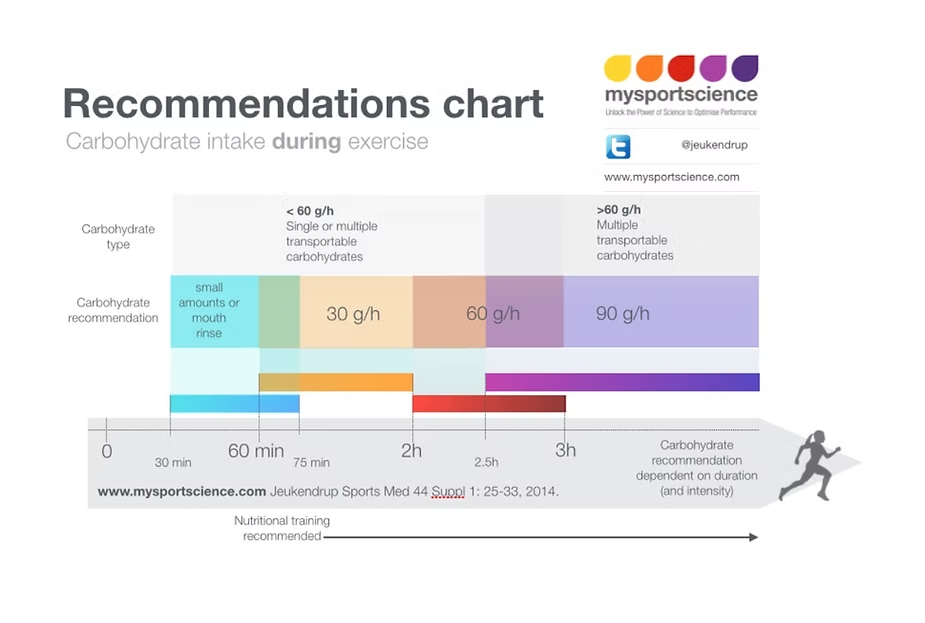
Fig. 2. Recommendations for carbohydrate intake according to exercise duration (Jeukendrup, 2015)
When rapid recovery is needed after exercise, particularly when less than eight hours separate training sessions, an intake of 1.0–1.2 g of carbohydrate per kilogram of body mass per hour is recommended for the first four hours. When the recovery period is longer, adequate daily intake of carbohydrate and total energy is the main priority.
Excessive intake of concentrated carbohydrate drinks and gels during exercise can cause gastrointestinal discomfort. Any increase in carbohydrate intake should therefore be tested in training first, taking into account individual tolerance and digestive characteristics. Specialized carbohydrate products are most useful during prolonged exercise, when eating regular food is difficult.
Beyond setting the amount of carbohydrate, it is important to assess whether the diet matches the athlete’s actual needs. Sports nutrition also addresses nutrition periodization, that is, adjusting the amount and distribution of nutrients to the goals of individual training sessions and phases of preparation. Deliberately restricting carbohydrate availability under certain training conditions may affect adaptive processes, but not all studies have confirmed its benefits for competitive performance.
Table 2 outlines the main areas of individual assessment of carbohydrate nutrition in athletes.
Table 2
Main areas of individual assessment of carbohydrate nutrition in athletes
|
Assessment area |
What to consider |
Practical relevance |
|
Training cycle |
Changes in training volume and intensity across preparation phases |
Aligning carbohydrate intake with current training |
|
Food tolerance |
Nausea, bloating, and other gastrointestinal symptoms during exercise |
Selection of suitable foods and ways of consuming them |
|
Performance |
Ability to complete the planned training volume and intensity |
Assessing whether nutrition meets the demands of training |
|
Energy adequacy |
Total energy intake relative to energy expenditure |
Identifying the risk of insufficient energy intake |
|
Health status |
Changes in well-being, frequency of illness, impaired physiological functions |
Deciding whether further medical evaluation is needed |
|
Training adaptation |
Changes in physical performance measures over the training cycle |
Evaluating the outcomes of the chosen nutrition strategy in light of other training factors |
Note. Compiled from a synthesis of published data on carbohydrate nutrition in athletes.
Reduced performance or impaired well-being should not be attributed solely to insufficient carbohydrate intake, as such changes may depend on training load, sleep, overall energy deficit, and health status.
Conclusions
Glucose is important for meeting athletes’ energy needs, particularly during prolonged and high-intensity exercise. How effectively carbohydrates are used depends on the type of muscle work, the availability of energy substrates, and the state of glycogen stores.
Glucose metabolites take part in biochemical processes linked to the formation of glutamate, gamma-aminobutyric acid, and acetylcholine. However, neurotransmitter synthesis also depends on the availability and transport of the relevant precursors, enzyme activity, and the presence of the required cofactors. Additional glucose intake alone therefore cannot be assumed to enhance neurotransmitter synthesis or improve athletic performance.
In practical terms, carbohydrate intake should be matched to training load, and athletes should maintain a balanced diet that provides protein, the required amino acids, vitamins, and minerals. Supplements should not be regarded as a universal means of stimulating neurotransmitter systems; identifying and correcting deficiencies requires individual assessment.
The relationships among carbohydrate nutrition, neurotransmitter metabolism, and the central mechanisms regulating athletes’ physical performance warrant further study.
References:
Burke, L. M., Hawley, J. A., Wong, S. H. S., & Jeukendrup, A. E. (2011). Carbohydrates for training and competition. Journal of Sports Sciences, 29(Suppl. 1), S17–S27. https://doi.org/10.1080/02640414.2011.585473
Dienel, G. A. (2019). Brain glucose metabolism: Integration of energetics with function. Physiological Reviews, 99(1), 949–1045. https://doi.org/10.1152/physrev.00062.2017
Evans, P. L., McMillin, S. L., Weyrauch, L. A., & Witczak, C. A. (2019). Regulation of skeletal muscle glucose transport and glucose metabolism by exercise training. Nutrients, 11(10), Article 2432. https://doi.org/10.3390/nu11102432
Fernstrom, J. D. (2013). Large neutral amino acids: Dietary effects on brain neurochemistry and function. Amino Acids, 45(3), 419–430. https://doi.org/10.1007/s00726-012-1330-y
Glycolysis inputs and outputs chart. (n.d.). Chartdata. https://chartdata.web.app/glycolysis-inputs-and-outputs-chart.html
Gonçalves, S., Nunes-Costa, D., Cardoso, S. M., Empadinhas, N., & Marugg, J. D. (2022). Enzyme promiscuity in serotonin biosynthesis, from bacteria to plants and humans. Frontiers in Microbiology, 13, Article 873555. https://doi.org/10.3389/fmicb.2022.873555
Jankowska-Kulawy, A., Klimaszewska-Łata, J., Gul-Hinc, S., Ronowska, A., & Szutowicz, A. (2022). Metabolic and cellular compartments of acetyl-CoA in the healthy and diseased brain. International Journal of Molecular Sciences, 23(17), Article 10073. https://doi.org/10.3390/ijms231710073
Jeukendrup, A. (2014). A step towards personalized sports nutrition: Carbohydrate intake during exercise. Sports Medicine, 44(Suppl. 1), S25–S33. https://doi.org/10.1007/s40279-014-0148-z
Jeukendrup, A. (2015, May 27). Recommendations for carb intake during exercise. MySportScience. https://www.mysportscience.com/post/2015/05/27/recommendations-for-carb-intake-during-exercise
Schousboe, A., Bak, L. K., & Waagepetersen, H. S. (2013). Astrocytic control of biosynthesis and turnover of the neurotransmitters glutamate and GABA. Frontiers in Endocrinology, 4, Article 102. https://doi.org/10.3389/fendo.2013.00102
Thomas, D. T., Erdman, K. A., & Burke, L. M. (2016). American College of Sports Medicine joint position statement. Nutrition and athletic performance. Medicine & Science in Sports & Exercise, 48(3), 543–568. https://doi.org/10.1249/MSS.0000000000000852
Wurtman, R. J., Wurtman, J. J., Regan, M. M., McDermott, J. M., Tsay, R. H., & Breu, J. J. (2003). Effects of normal meals rich in carbohydrates or proteins on plasma tryptophan and tyrosine ratios. The American Journal of Clinical Nutrition, 77(1), 128–132. https://doi.org/10.1093/ajcn/77.1.128
Zaragozá, R. (2020). Transport of amino acids across the blood-brain barrier. Frontiers in Physiology, 11, Article 973. https://doi.org/10.3389/fphys.2020.00973
Other articles of the issue