

Cynology as a basis for the prevention and behavioral correction of disorders in domestic dogs
Authors
Nesterenko Viktoriia

Share
Annotation
This article discusses cynology as the basis for the prevention and correction of behavioral problems in domestic dogs. It reveals the theoretical aspects of this science, which help to better understand the behavior of dogs. In particular, ethology, breed classification, breeding, features of early development and modern approaches to education are considered. The causes and most common groups of behavioral disorders in domestic dogs are also revealed. Special attention is paid to the preventive role of cynology. It consists in the early socialization of dogs, taking into account their individual and breed characteristics, proper organization of the environment, training of owners, and the use of humane methods of interaction with animals. The practical aspects of the application of cynological knowledge for the prevention and correction of problematic behavior are considered. In addition, current problems and prospects for the development of cynological prevention are discussed. As a result, it was found that cynology is an important scientific and practical basis for maintaining the well-being of dogs, preventing persistent behavioral disorders, and improving the quality of interaction between dogs and humans.
Keywords
Authors
Nesterenko Viktoriia
Share
The relevance of this study stems from the dog's important place in modern human life as a faithful friend and companion. Therefore, issues related to its maintenance, upbringing, and adaptation to family life are of great practical importance. The widespread use of domestic dog breeding makes the problems that arise in the formation of stable, socially acceptable, and safe behavior in animals especially important.
Particular attention to this topic is warranted because behavioral disorders in domestic dogs are a common problem that affects not only the animals themselves but also their owners. Undesirable behavior complicates the maintenance of a dog at home, reduces the quality of interaction between humans and animals, and often causes the abandonment of a pet. Scientific literature notes that such violations are closely related to the welfare of animals, their level of socialization, conditions of detention, and the quality of educational work.
The relevance of this study is strengthened by the fact that a significant number of behavioral issues can be avoided with a well-informed and responsible approach to dog ownership. Early socialization, understanding of breed characteristics, appropriate training methods, and awareness of canine behavior all contribute to reducing the risk of behavioral disorders and ensuring a more harmonious relationship between dogs and humans. Recent research has also shown that gentle, positive reinforcement training methods are more effective and beneficial for a dog's well-being than harsher methods. In this context, cynology serves not only as an area of specialized knowledge about dogs but also as a crucial practical resource for preventing and addressing behavioral issues in domestic dogs.
The purpose of the study
The aim of this study is to examine cynology as a scientific and practical foundation for the prevention and correction of behavioral issues in domestic dogs. It also aims to identify the significance of cynological knowledge in avoiding problematic behaviors, selecting appropriate correction methods, and enhancing the well-being of these animals.
Materials and research methods
Our research is based on open scientific publications, professional recommendations from cynological and veterinary organizations, as well as data from modern research on the behavior of domestic dogs, the causes of behavioral problems and methods of their prevention and correction.
In the course of our work, we used various methods, including analyzing scientific literature, summarizing the experience of professionals, comparing approaches to the prevention and correction of behavioral disorders, as well as systematizing information about the causes, forms of manifestation, and ways to prevent behavioral problems in domestic dogs.
The results of the study
The theoretical foundations of cynology are fundamental to understanding dog behavior. A domestic dog's behavior depends on many factors: its origin, heredity, early development, living conditions, health status, and experience of interaction with humans. Modern scientific research considers the dog a social animal whose behavior was formed during domestication and subsequent breeding. Therefore, it is impossible to analyze a dog's behavior without regard to its biological and breed characteristics [6].
The main theoretical aspects of cynology include ethology, breed classification, fundamentals of breeding, anatomical and physiological features of dogs, and principles of learning. Ethology is a science that studies animal communication, behavioral signals, and mechanisms of adaptation and social interaction. Breed classification is important because breeds were formed according to their working functions, which affects not only their external characteristics but also their stable behavioral features. The official FCI classification groups breeds according to their origin and functional purpose. This allows us to better understand the typical patterns of activity, reaction, and interaction of dogs with their environment.
The most important theoretical aspects of cynology include ethology, breed classification, the basics of breeding, anatomical and physiological characteristics of dogs, and the principles of training. Ethology studies the forms of communication, behavioral signals, adaptation mechanisms, and social interaction of dogs. Breed classification plays an important role, as breeds were formed depending on their working purpose. This affects not only their external characteristics but also their stable behavioral patterns. The official classification developed by the FCI (International Cynological Federation) unites breeds into groups according to their origin and functional purpose. This allows us to better understand the typical patterns of activity, reaction, and interaction of dogs with their environment.
The breeding approach also plays an important role. If it is not right to choose a pair, especially if the producers have an unstable psyche, this can lead to the offspring developing undesirable behavioral qualities. That is why not every dog can be allowed to breed. The evaluation of producers should take into account not only the conformity of their appearance to the breed type, but also the peculiarities of behavior, as well as the stability of the psyche. Exhibitions and other zootechnical events where an expert comprehensively evaluates an animal, including its behavior, serve as an important basis for this.
In modern veterinary behavioral medicine, behavioral disorders in domestic dogs are defined as conditions in which an animal's behavior goes beyond the usual adaptive response, causing it discomfort, making it difficult to care for it, and posing a danger to others. It is important to distinguish normal but undesirable behavior from disorders. Normal but undesirable forms include, for example, digging, excessive chewing of objects, tagging, playful biting, or stalking. These actions are part of the dog's natural behavior, but they can become a problem in everyday life. Pathological or clinically significant disorders include reactions based on fear, anxiety, overexcitation, and loss of self-control [2].
The classification of behavioral disorders usually includes several main groups (Figure 1).
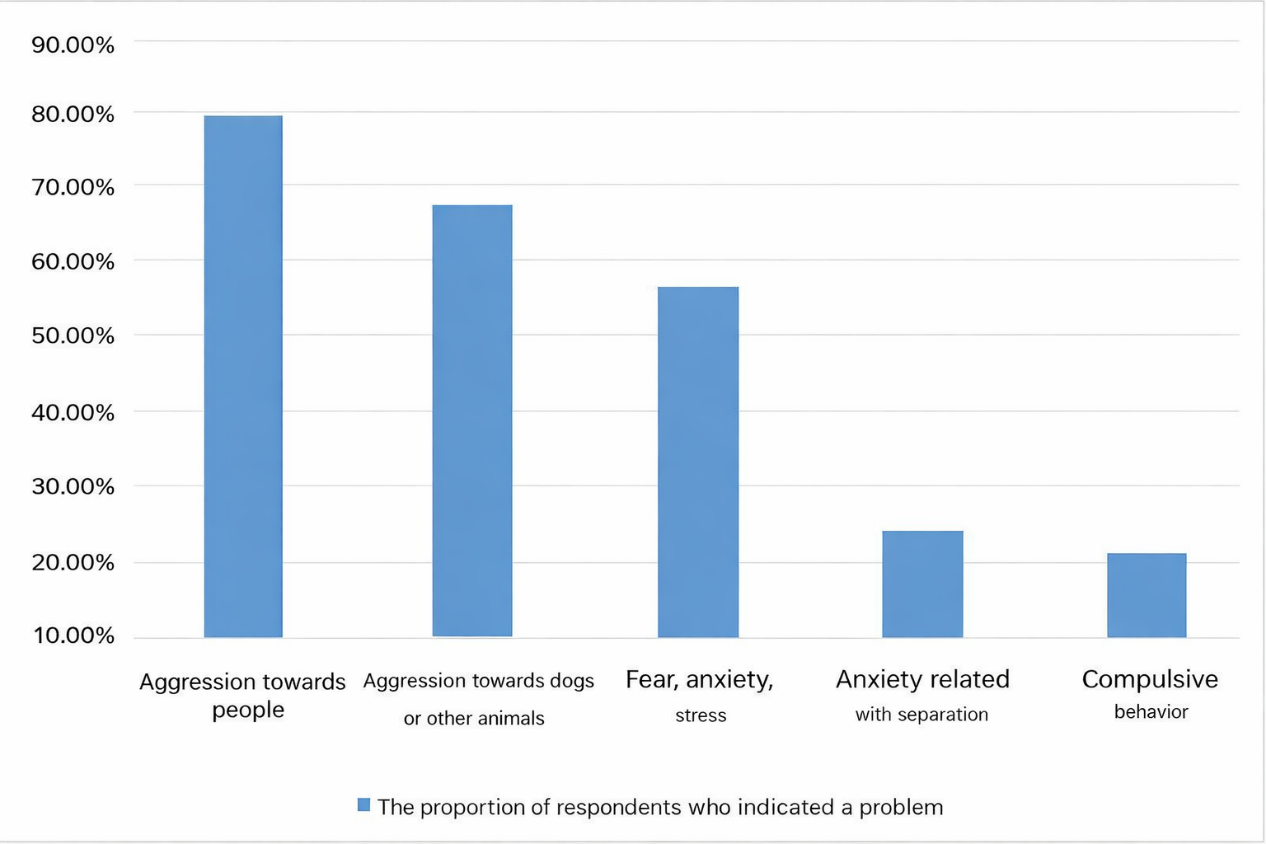
Fig. 1. The main groups of behavioral disorders in domestic dogs
A source: [3], a study of factors related to behavioral euthanasia of domestic dogs, n = 690.
To understand how disorders are formed, it is necessary to take into account another important point: not every undesirable action of a dog is a manifestation of a separate behavioral disorder. In some cases, the problem arises due to the discrepancy between the natural activity of the animal and the conditions of its maintenance. Therefore, when assessing the situation, it is always necessary to take into account the history of the dog's development, the context of the symptoms, its state of health, and the nature of interaction with the owner. This comprehensive approach makes it possible to distinguish a behavioral disorder from errors in content or learning (Table 1).
Table 1
The main causes and clinical significance of behavioral disorders in dogs
|
The causal factor |
What open sources indicate |
|
Hereditary predisposition |
It may increase the risk of fear, anxiety, aggression, and violations of self-control. |
|
Insufficient early socialization |
It promotes worse adaptation to people, animals and new conditions. |
|
Medical reasons |
Pain, illness, and neurological disorders can change behavior. |
|
Traumatic events and stress |
It leads to the formation of stable reactions of avoidance, anxiety and aggression. |
|
Unintended reinforcement |
It can reinforce undesirable reactions such as barking, begging, stealing items, and others. |
A source: author's development
Cynology is seen as the foundation for preventing behavioral issues in domestic dogs, as the prevention of problematic behaviors does not start when severe symptoms occur, but rather at earlier stages of dog care. Professional guidelines suggest that prevention should take into account the age, size, lifestyle, and breed characteristics of the dog as well as their life stage. This approach allows for the selection of a suitable regimen, level of stress, training method, and ways to interact with the animal in advance [4].
From a practical perspective, the preventive value of dog training is primarily related to the proper organization of the environment and the controlled development of skills. The American Veterinary Society of Animal Behavior (AVSAB) emphasizes that early and adequate socialization, as well as positive training programs, can significantly reduce the risk of behavioral issues and improve the bond between dogs and humans. These same recommendations highlight the importance of safely conditioning dogs to restrictions and providing a place to rest: using pens, crates, or other quiet containment methods is seen as a way to reduce stress during both domestic and veterinary visits [1].
The preventive role of canine training is also evident in the fact that a dog's behavior is not seen in isolation, but rather as a product of the combined efforts of the breeder, owner, and professional. It is emphasized that socialization must begin early and continue throughout the dog's daily life, with both the breeder and owner sharing responsibility for this. Importance is placed on educating owners during initial preventive visits with a veterinarian, where principles of care, familiarization with new surroundings, and avoidance of fear can be discussed in a timely manner.
Another preventive measure is the training of the owner. Participation in puppy training classes is linked to a more positive development of manageability and human-dog relationships. Factors that increase the likelihood of attending these classes include the owner's previous intention to receive training, their first experience owning a dog, and receiving information when purchasing a puppy. This demonstrates that prevention depends not only on the dog, but also on the owner's preparedness.
For practice, it is important to focus on prevention for those problems that dog owners actually encounter most frequently. According to a study published in Scientific Reports, the most common behavioral and management difficulties include jumping on people, chasing animals, territoriality, excessive arousal, socialization difficulties, and a lack of time for owners. These findings confirm that canine prevention should involve not only training in basic commands but also the development of self-control, calm behaviors, safe interactions with people, and adaptation to urban and domestic environments [5].
Cynological methods for behavioral correction of disorders in domestic dogs involve a set of techniques designed to change undesirable behaviors, develop stable and useful skills, and reduce emotional stress for the animal. These techniques are based on modern methods that encourage desirable behavior, gradually teach new skills, manage the environment, and take into account the individual characteristics of each dog (Table 2).
Table 2
The main cynological methods of behavioral correction of disorders in domestic dogs
|
Correction method |
The essence of the method |
What violations are used for |
|
Positive reinforcement |
Encouraging desirable behavior |
Anxiety, fear, agitation, uncontrollability |
|
Desensitization |
Gradual decrease in sensitivity to an irritant |
Fears, phobias, and anxiety reactions |
|
Control conditioning |
Forming a positive reaction to a previously unpleasant stimulus |
Fear, anxiety, negative reaction to people, animals, situations |
|
Environment management |
Elimination of provoking factors |
Destructive behavior, agitation, conflicts |
|
Redirecting behavior |
Replacing an undesirable action with an acceptable one |
Chewing objects, excessive activity, grabbing |
|
Self-control training |
Formation of calm and controlled behavior |
Impulsivity, jumping, jerking, overexcitation |
|
Correction of the activity mode |
Selection of sufficient physical and mental activity |
Hyperactivity, anxiety, destructive behavior |
|
Exclusion of medical reasons |
Consideration of health status when assessing behavior |
Aggression, anxiety, sudden changes in behavior |
A source: author's development
The practical application of canine knowledge involves working not only with a specific symptom but also with the overall organization of a dog's daily life. This includes establishing a walking routine, managing stimuli, teaching essential skills, helping the dog develop the ability to calmly handle everyday situations and social interactions, and regularly assessing the impact of the owner's actions on problematic behavior. Research indicates that many common difficulties experienced by owners are related not to rare medical conditions but rather to common behavioral challenges.
In a survey of dog owners, the most common challenges included jumping on people, chasing other animals, territorial behavior, excessive excitement, difficulty socializing, and a lack of time for their owners (Figure 2). This data is important for practitioners, as it shows the areas that preventive and corrective programs should focus on: developing self-control, creating calm interactions with humans, guiding walking behavior, and helping dogs adapt to their daily environment.
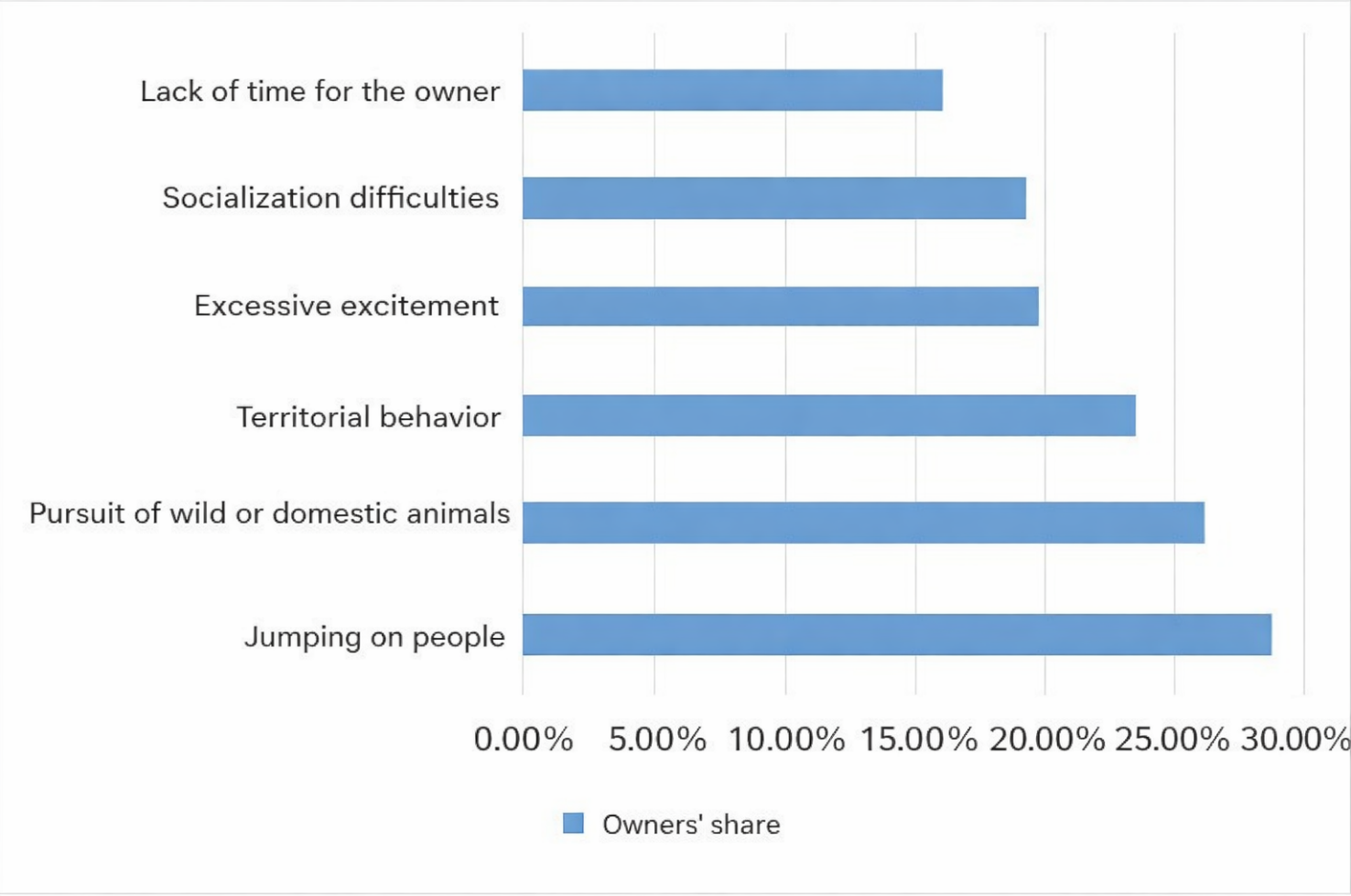
Fig. 2. The most common practical problems of dog behavior and management according to the survey of owners
A source: [5]
Information about the prevalence of problematic behavior in domestic dogs is also important. In one survey, owners most often mentioned problems such as excessive activity, fearfulness, destructive behavior, aggression towards strangers, and a tendency to leave or wander. These data confirm that dog training should include both correction of emotional disorders and training in behavior control in everyday life.
However, the main problem in the development of canine prevention remains the discrepancy between scientific methods and the practice of daily dog handling. Although professional organizations recommend the use of incentive methods, the literature notes that owners still often resort to aversive methods of influence. This may be due to a lack of knowledge, well-established everyday beliefs about training, and difficulties in finding qualified help.
Another problem is that many behavioral difficulties in dogs are discovered after they become part of the animal's daily life. Behavioral management guidelines emphasize the importance of early identification of risk factors, discussion of behavior at preventive checkups, and inclusion of behavior assessment in the regular dog care process. One of the promising areas is closer cooperation between dog handlers, veterinary specialists, and owners. In addition, it is necessary to expand access to early counseling and training programs for owners so that they can receive timely help and support in solving behavioral problems.
The prospects for the development of canine prevention are to continue to apply humane training methods, conduct early behavioral counseling, implement socialization programs, and provide individual support for dogs at all stages of their lives. Modern experts believe that training should be aimed not only at obedience but also at maintaining the well-being of the dog, the stability of its behavior, and the quality of the relationship between animal and human. This approach seems to be the most reasonable for the further development of prevention and correction of behavioral disorders in domestic dogs.
Conclusions
Cynology is an important field of science and practice devoted to the prevention and correction of behavioral problems in domestic dogs. A dog's behavior is determined by a variety of factors, including heredity, physiology, housing conditions, and social environment, so its assessment and adjustment require a comprehensive approach. Research shows that many behavioral disorders are associated with insufficient socialization, maintenance errors, lack of systematic training, failure to take into account the individual characteristics of the dog, and the untimely identification of risk factors. In this regard, preventive work is of particular importance, including early socialization, proper environmental management, owner training, and the use of methods based on encouragement and stress reduction. The practical application of knowledge gained in cynology allows not only to correct already formed disorders but also to prevent their development at an early stage.
The prospects for further development of canine prevention are related to the introduction of humane training methods, increasing the availability of early counseling, and strengthening cooperation between dog owners, dog handlers, and veterinarians.
References:
- AVSAB Position Statement on Puppy Socialization / American Veterinary Society of Animal Behavior // AVSAB. 2019. URL: https://avsab.org/wp-content/uploads/2019/01/Puppy-Socialization-Position-Statement-FINAL.pdf.
- Borns-Weil S. Behavior problems of dogs // Merck Veterinary Manual: [website]. Reviewed by Carlo Siracusa. Reviewed/Revised Modified Sept. 2025. URL: https://www.merckvetmanual.com/behavior/behavior-of-dogs/behavior-problems-of-dogs.
- Breed-Specific Behaviours and Other Factors Associated with Behavioural Euthanasia in Dogs // Animals. 2024. Vol. 14, No. 7. Art. 1025. URL: https://pmc.ncbi.nlm.nih.gov/articles/PMC11091869/.
- Creevy K. E., Grady J., Little S. E., Moore G. E., Strickler B. G., Thompson S., Webb J. A. 2019 AAHA Canine Life Stage Guidelines // Journal of the American Animal Hospital Association. 2019. Vol. 55, No. 6. pp. 267–290. DOI 10.5326/JAAHA-MS-6999.
- Gillet L., Simon B., Kubinyi E. The role of dogs is associated with owner management practices and characteristics, but not with perceived canine behaviour problems // Scientific Reports. 2024. Vol. 14. Art. 27548. URL: https://www.nature.com/articles/s41598-024-77400-y.
- Tancredi D., Cardinali I. Being a Dog: A Review of the Domestication Process // Genes. 2023. Vol. 14, No. 5. Art. 992. URL: https://pmc.ncbi.nlm.nih.gov/articles/PMC10218297/.
Other articles of the issue