

Comparative analysis of hardware technologies for skin rejuvenation
Authors
Tyshchenko Inesa

Share
Annotation
The article presents a comparative analysis of various hardware technologies used for skin rejuvenation in aesthetic medicine. The basic principles of action, indications, contraindications, expected results and potential side effects of such methods as laser therapy (ablative and non-ablative lasers), photo rejuvenation (IPL), radiofrequency lifting (RF lifting), ultrasonic SMAS lifting (HIFU) and microneedle RF are considered. Special attention is given to the effectiveness of these methods, considering factors such as skin type, patient age, and the severity of aging-related changes. The technologies are compared based on the depth of penetration, invasiveness, recovery time, and durability of results. The goal of the study is to provide a systematic overview of these technologies to help both specialists and patients make informed decisions about which technique would be most suitable for their individual needs and expectations
Keywords
Authors
Tyshchenko Inesa
Share
Introduction. Modern aesthetic medicine is actively evolving, offering a wide range of techniques for addressing age-related skin concerns, with hardware technologies playing a prominent role. The human desire for youth and beauty drives the continuous search for and improvement of methods that effectively combat signs of aging, such as wrinkles, loss of firmness, discoloration, enlarged pores, and changes in facial contours.
In the early stages of cosmetology, the focus was on invasive surgical procedures. However, today, there is a shift towards minimizing trauma while maintaining efficacy. Hardware techniques excel in this regard, providing controlled and targeted treatments that affect different skin layers without requiring extended recovery or general anesthesia.
The market for hardware skin rejuvenation technologies is constantly evolving with new devices and techniques based on a variety of physical principles, ranging from the use of different wavelengths of light and radiofrequency energy to ultrasonic waves and microcurrents. This diversity, on the one hand, allows professionals to choose the best solution for each individual patient, considering their unique characteristics, skin type, age, and desired outcome.
However, on the other hand, this variety also creates a need for a thorough understanding of the underlying mechanisms of each technique, its indications and contraindications, as well as potential risks. Without a clear and structured analysis and comparison of these approaches, there is a risk of making suboptimal choices, leading to lower patient satisfaction and even unwanted side effects.
The purpose of this comparative analysis is to systematically and thoroughly study the key hardware technologies used for skin rejuvenation. We will consider their fundamental principles of operation, analyze the degree of invasiveness, and evaluate their effectiveness based on various skin parameters and depth of treatment. Special attention will be paid to differences in expected outcomes, duration of effects, rehabilitation period, and safety profiles of each method.
This comprehensive approach will not only highlight the advantages and disadvantages of each technology, but also provide recommendations for their optimal use. This will contribute to an informed choice of rejuvenation methods for practitioners and patients seeking to achieve the best aesthetic results. A deep understanding and comparative analysis of hardware methods of skin rejuvenation is essential for successful practice in aesthetic medicine and improving patients' quality of life.
Scientific novelty of the study. This research presents a comprehensive comparative analysis of modern hardware-based skin rejuvenation technologies –such as laser therapy, radiofrequency lifting, microcurrent stimulation, ultrasound treatment, and phototherapy – from the perspective of their physiological effects, efficacy, and underlying biochemical mechanisms of regeneration. The scientific novelty lies in the systematization of data on cellular and tissue-level changes induced by various forms of energy exposure, as well as in the development of an integrative model for assessing their long-term impact on neocollagenesis and elastogenesis. Additionally, for the first time, criteria have been proposed for comparing these technologies based on biocompatibility and safety indicators across different skin phototypes.
Practical significance. The findings provide a rationale for selecting the most appropriate hardware-based method for individualized anti-aging care programs, enhancing the effectiveness of cosmetic procedures while minimizing the risk of side effects. The developed comparative indicators can be utilized by aesthetic medicine professionals to standardize rejuvenation protocols, train personnel, and refine clinical guidelines. Furthermore, the study’s conclusions have practical relevance for manufacturers of cosmetic equipment in the development of new devices grounded in evidence-based efficacy.
Discussion. The history of skin rejuvenation technology is a fascinating journey, starting with the earliest attempts to modern, high-tech solutions. It is based on a deep understanding of biological aging processes and engineering innovations. In ancient times, people relied on natural remedies and massages to maintain beauty. However, with the development of science and technology, new ways of affecting the body emerged.
In the early XX century, low-intensity electric currents were used for facial muscle stimulation and improved blood circulation. This was the start of hardware cosmetology, using primitive forms of microcurrent therapy. While these methods lacked a scientific basis, they paved the way for future research in electrotherapy for skin rejuvenation.
A revolutionary moment in the history of laser technology was its discovery in the 1960s. At first, lasers were used for medical purposes such as surgery, but soon it was realized that they also had potential applications in aesthetic medicine. In the 1980s, CO2 lasers were introduced, which were used to rejuvenate the skin by removing the outer layers and stimulating the formation of new collagen. While these procedures were effective, they were invasive and required a long recovery period.
The development of fractional laser technology in the early 2000s represented an important step forward. This allowed the delivery of laser energy in the form of small microzones to the skin, leaving areas of undamaged tissue. These significantly reduced the recovery time and minimized risks associated with the procedures [2].
In parallel with laser technology, other areas of research were also advancing. In the 1990s, phototherapy using broadband-pulsed light (IPL) started to be actively explored. This technology allows for the treatment of various skin conditions, such as age spots and vascular "stars", by targeting specific chromophores like melanin and hemoglobin. It also stimulates collagen production for overall skin rejuvenation [1].
In the turn of the XX and XXI centuries, there has been a rapid increase in the number of hardware techniques. One of these is radio wave technology, also known as RF lifting. This technique uses radio frequency energy to heat the deep layers of the dermis, causing the collagen fibers to contract and stimulate neocollagenesis, providing a skin tightening effect without damaging the surface. With the development of ultrasound technology, it has become possible to focus on the deep layers of the skin and the SMAS (superficial muscular-aponeurotic system), leading to the emergence of non-invasive lifting procedures such as HIFU (high-intensity focused ultrasound).
In recent decades, we have seen not only improvements in existing technologies, but also the emergence of hybrid methods that combine various physical principles to achieve synergistic effects. For example, the combination of radiofrequency (RF) energy with microneedling, or the use of different wavelengths in laser systems, has been used to comprehensively address skin problems. Additionally, methods using plasma, cryotherapy, and other physical factors to stimulate regenerative processes are actively being developed [3].
Modern hardware skin rejuvenation technologies have become significantly safer, more efficient, and more comfortable for patients. This development is closely linked to a better understanding of skin aging at the cellular and molecular levels, as well as advances in materials science and electronics, which allow for the creation of more precise, powerful, and multifunctional devices. (Table 1)
Table 1 – Modern hardware skin rejuvenation technologies
|
№ |
Technologies |
Characteristic |
|
1 |
Ultrasonic SMAS Lifting (HIFU) |
This technology uses high-intensity focused ultrasound to target the deep layers of the skin and musculo-aponeurotic layer (SMAS), providing a pronounced facelift effect without the need for surgical intervention. Devices like the Ultraformer are among the most advanced in this field, offering a clear and natural-looking result. |
|
2 |
RF Lifting (RF Lifting) |
The method is based on using radio waves to heat the deeper layers of the skin, stimulating the production of collagen and elastin. There are two main types:
|
|
3 |
Laser Rejuvenation and Resurfacing |
Laser technologies can help to eliminate various skin imperfections, including wrinkles, age spots, and scars. Fractional laser rejuvenation, such as CO2 lasers, creates microzones of damage on the skin that trigger intensive processes of collagen repair and regeneration. Deep laser rejuvenation stimulates the production of collagen in the deeper layers of the dermis, improving overall skin tone and texture. Laser skin tightening uses controlled heat to stimulate collagen production and reduce sagging. |
|
4 |
IPL therapy (intense pulsed light) |
It is used to improve pigmentation, reduce vascular stars, and overall improve skin tone and texture. |
|
5 |
Microcurrent therapy |
The effect of weak electrical impulses on the skin and muscles of the face can improve microcirculation, enhance lymphatic drainage, increase muscle tone, and promote overall skin rejuvenation. |
|
6 |
Comprehensive platforms |
Modern devices often combine several technologies, such as the Geneo platform, which combines oxygenation and the infusion of active substances. This allows several tasks to be completed in a single procedure. |
It should be noted that the use of hardware-based skin rejuvenation techniques, despite their many advantages and ongoing development, is not without its challenges and concerns. These challenges and concerns affect various aspects of the process, from efficacy and safety to economic and ethical considerations.
One of the main challenges is the variability and unpredictability of the outcomes. Although hardware manufacturers provide data on the effectiveness of their products, the actual results for each individual patient can vary significantly. This is because of the unique characteristics of each person's body, including skin type, age, genetic predispositions to aging, overall health, and the presence of other medical conditions. For example, some people may experience a dramatic improvement after laser rejuvenation, while others may see only minor changes. Additionally, the subjective nature of the perception of results by both patients and medical professionals adds to the complexity.
The next important consideration is the potential risk of side effects and complications associated with laser hair removal. Despite the continuous improvement of technology, each procedure carries some level of risk. These risks can include temporary symptoms such as redness, swelling, bruising, and skin sensitivity, as well as more serious complications such as hyper- or hypopigmentation (which is especially significant for people with darker skin types, as they may be more prone to pigmentation issues after laser and light treatments), burns, scars, and infections. The risk of these complications increases when incorrect device settings are used, when an unqualified specialist performs the procedure, when the protocol is not followed, or when adequate post-procedure care is not provided.
Insufficient or incomplete patient education is also a significant issue. People often have unrealistic expectations of hardware procedures, without fully understanding the nature of the treatment, the potential risks, the necessity for a course of treatment, and the significance of supportive care. Often, marketing strategies from manufacturers and clinics can create unrealistic expectations, leading to patient disappointment even if the treatment was performed properly and yielded a good result, but not the "Hollywood-esque" outcome they were promised. Open and honest communication between doctors and patients is essential, including a thorough explanation of all aspects of treatment.
The qualifications and experience of a specialist are crucial for the success and safety of hardware procedures. Managing high-tech equipment requires an in-depth understanding of the anatomy and physiology of the skin, as well as knowledge of the principles of device operation. It also requires the ability to accurately assess the patient's skin condition, select optimal parameters, and respond promptly to any changes during the procedure. Insufficient staff training can lead to serious errors and complications, which raises the importance of strict certification for specialists and regular professional development.
The high cost of equipment and procedures is a significant challenge. The latest generation of hardware systems is very expensive, which naturally impacts the price of services for patients. This makes hardware rejuvenation inaccessible to all segments of the population and creates barriers. Additionally, the high cost may lead some unscrupulous service providers to use outdated or non-genuine equipment, significantly increasing risks.
The issue of safety and regulation in the hardware technology market. The market is growing rapidly, but the legislative framework is not always able to keep up with this development. This leads to discrepancies in the regulation of different devices in different countries and issues regarding the use of uncertified devices for medical procedures, which can result in unsafe and inefficient devices on the market.
Furthermore, there is a need for an integrated approach to skin rejuvenation. Hardware technologies can only be part of a larger program, and they rarely solve all problems of skin aging alone. To achieve optimal and long-lasting results, it is often necessary to combine them with other methods such as injection procedures, cosmetic care, lifestyle changes, and proper nutrition.
Although hardware skin rejuvenation technologies offer powerful and effective solutions, their implementation requires careful planning, in-depth knowledge, highly qualified specialists, realistic patient expectations, and a responsible approach from medical institutions and regulatory authorities. Addressing these challenges will maximize the potential of these innovative areas in aesthetic medicine.
Results. To effectively address these challenges in the application of hardware-based skin rejuvenation techniques, a comprehensive and multi-faceted approach is required, encompassing all stages - from equipment development through to procedures and post-treatment care. Firstly, to overcome the variability and unpredictability of results, it is crucial to establish and implement standardized diagnostic and treatment protocols. This involves a detailed patient questionnaire, a thorough assessment of skin type, condition, medical history, genetic background, and expectations.
The use of specialized diagnostic systems, such as skin analyzers, will allow for an objective assessment of the initial skin condition and monitoring of any changes over time. The development of personalized algorithms that take into account individual skin characteristics will help dermatologists select the most appropriate device settings and more accurately predict the results.
Patients, in turn, should be provided with realistic information about the expected outcomes, emphasizing that these tools are not "magic wands" but rather aids in improving skin health.
Reducing the risk of side effects and complications can be achieved by improving the skills of medical professionals and strict adherence to safety protocols. This includes mandatory licensing of clinics and centers that offer hardware procedures, as well as regular certification of doctors and cosmetologists. Training should include not only theoretical knowledge of equipment operation but also an in-depth understanding of skin anatomy, physiology, and possible complications. It should also include skills for preventing and managing these complications (Figure 1).
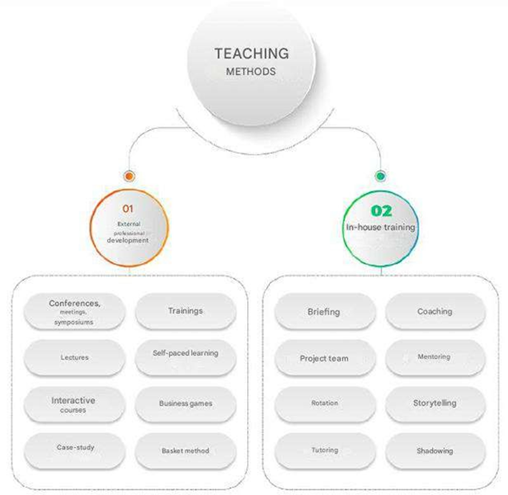
Fig. 1 – Methods of professional development
It is essential to use only certified equipment and supplies and to strictly follow the manufacturer's instructions. Patients should be informed about the potential risks and provide informed consent after thoroughly understanding all aspects of the treatment. It is also crucial to carefully gather medical history in order to identify any contraindications and to ensure adequate post-treatment care, including advice on the use of specific products and sun protection measures.
Transparency and honesty in communication are essential for solving the problem of patient awareness. Specialists should dedicate sufficient time to consultations, explaining the principles of the technology, realistic expectations, the number of procedures required, possible sensations during and after the procedure, as well as post-procedure care guidelines. Materials used for information, such as brochures and websites, should be clear and reliable, and should not contain exaggerated information. It is important to emphasize that hardware rejuvenation is a process that requires patience and involvement from patients.
As for the high cost of equipment and procedures, a multi-dimensional approach is needed. Manufacturers can work to optimize production processes in order to reduce the cost of devices and develop more affordable but still effective solutions. Clinics can offer various service packages, loyalty programs, and consider the possibility of payment plans to make procedures more affordable. Additionally, increased competition in the market may lead to a natural decrease in prices.
Finally, to ensure a comprehensive approach, specialists should think more broadly than just a single procedure. It is important to evaluate the patient as a whole and develop individualized rejuvenation plans, which may include a combination of hardware treatments, injections, professional care, nutritional advice, and lifestyle changes. Patients' education about these areas will allow them to understand that the best results are achieved through a systematic approach and long-term skin care strategies.
Conclusions. Hardware skin rejuvenation technologies are a rapidly developing and promising area of aesthetic medicine, with significant potential to enhance appearance and improve quality of life. However, in order to fully realize this potential, it is necessary to address existing challenges such as variability in results, risk of adverse effects, lack of awareness, and high costs. An integrated and multilevel approach is required to overcome these obstacles.
By implementing the proposed measures, we can improve the safety, efficacy, and accessibility of these technologies, minimizing risks and ensuring more predictable and satisfying outcomes for patients.
References:
Glagoleva E.N., Podoplekina N., Petrishchev N.N., Grishacheva T.G. The effectiveness of the combined ipl protocol and a preparation based on hyaluronic acid with mannitol in the treatment of hyperpigmentation // East European Scientific Journal. – №10-3 (74). – 2021. – pp. 8-15.
Muzychenko A.P. Systemic isotretinoin: actual aspects of application in clinical practice of a dermatologist, cosmetologist // Medical news. – №11 (350). – 2023. – pp. 25-28.
Polyanskaya A.A., Sterleva E.A., Girkina D.B. The use of laser technologies in cosmetology. Fractional ablative laser resurfacing // International Journal of Applied Sciences and Technologies "Integral". – No. 1. – 2022. – pp. 55-67.
Other articles of the issue